
Somerset: The beating heart of cider production.
Posted March 31, 2026Somerset is the beating heart of cider production, and there is nowhere quite as fun to drink it.
Somerset & Cider
Written by Bill Bradshaw
If you were to stop someone on any street in the UK and say, ‘What are the first three words that pop into your head if I say “Somerset”?’ I bet the first one would be ‘Cider’ (the others possibly being ‘Glastonbury’ and maybe ‘Wurzel’?).
It has been said that whilst other fantastic apple-growing and cider-producing areas of the UK make great cider, Somerset is the beating heart of cider production, and there is nowhere quite as fun to drink it. That’s because of our attitude towards it. We’re so proud of it, and we associate it with having fun—it can be found at all our celebrations in one form or another. We drink it cold when it’s hot and hot when it’s cold, but above all, it’s a liquid link to our beloved heritage and home.
The people of Somerset are proud to be from Somerset, and drinking well-made traditional cider is an affirmation of that! It can be a very emotive subject, particularly for lifelong lovers of cider, because it invokes memories of youth, being lost down narrow country lanes, live music, laughing till you cry, and having something delicious to drink that was made locally and often isn’t available anywhere else.
When people tell me they don’t like cider (or ‘I used to when I was younger…’), I take it as a personal challenge to find a style that they like—and yes, cider has styles (and I usually succeed).
What’s more, in terms of visiting, a cider tour in Somerset has much to offer. If you like photography, walking, food, live music, rural shows, or enjoy a multitude of tourism-type experiences, a cider visit can tick that box! A visit to one of our beloved cider farms is essential for out-of-area visitors, and they never disappoint. Cider makes a great gift too—who doesn’t love seeing a gallon of delicious scrumpy, a six-pack of crisp fizzy ciders, or a duo of bottle-fermented Champagne-style cider arrive through the door with a beaming smile?


What Makes Somerset Special for Cider?
The history of apple growing and cider making in the South West goes back many hundreds of years, to the point that it’s now interwoven into local identity, economy, landscape, and traditional celebrations. Although not everyone likes it, everyone understands that it’s very normal to like cider quite a lot here. When I lived away in a non-cider-producing region for any length of time, it came to represent something special and unique about home and embodies all the values and goodness you associate with home. Cider feels like a member of the family in that regard.

Why Has Cider-Making Thrived in This Region?
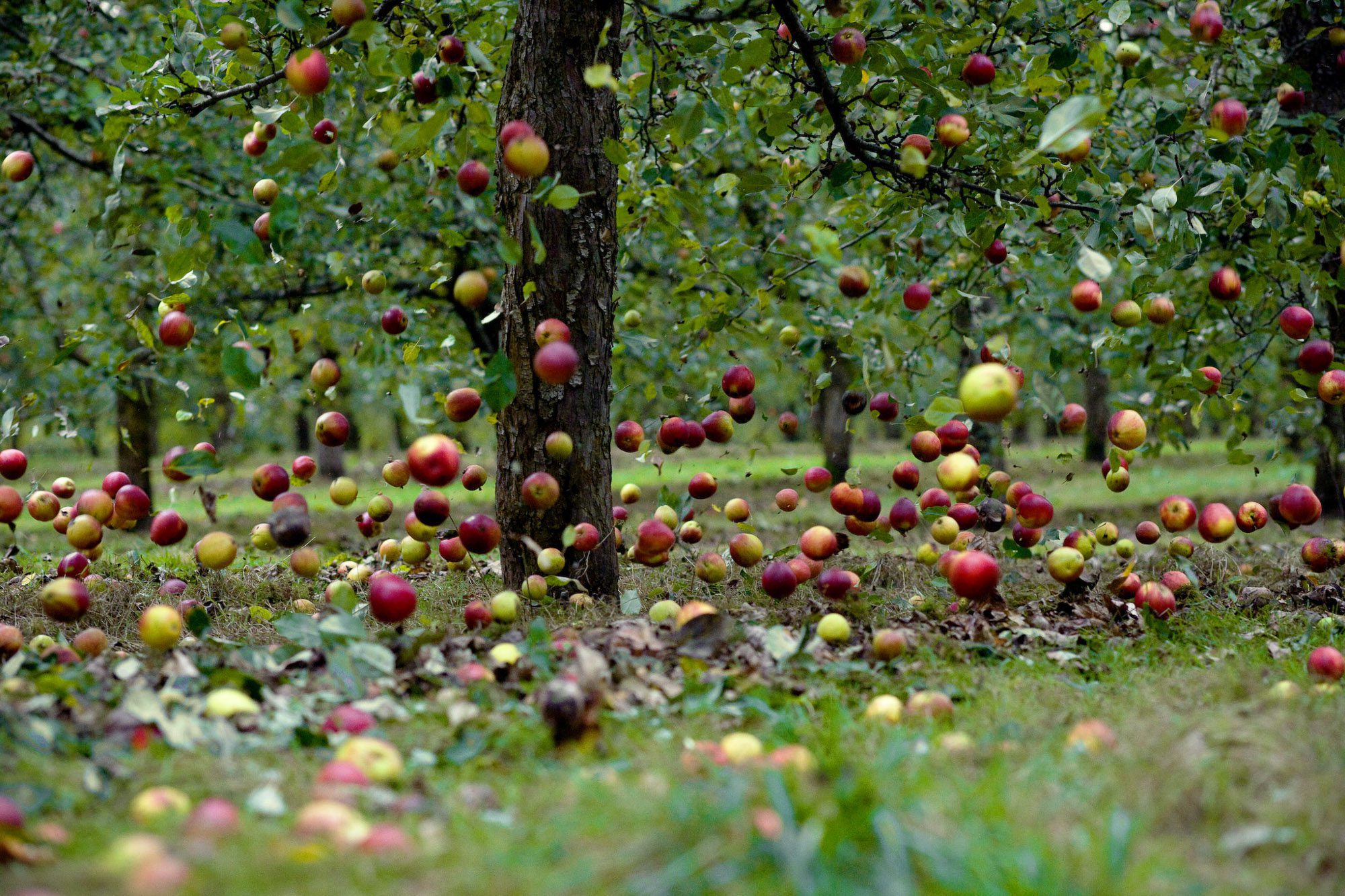
The Somerset landscape is ideal for growing our beloved cider apples. We have fantastic growing conditions, and many of the excellent apple-producing areas have perfect soils for cultivation. Our climate suits apples well, and we’ve been growing them and making cider for generations—so much so that we’ve created hundreds of local varieties as distinctive and full of character as the people here. The French talk about terroir a lot—the Somerset terroir is fantastic for cider, and families like Hecks in Street, who are seventh-generation cider makers, are flying the flag for the county, making some truly magical cider.
What’s the Difference Between Artisan and Commercial Cider?
Quite a lot! It’s a quality vs quantity argument from the producer’s point of view in terms of how they choose to compete with other cider producers. Mainly, it comes down to juice content—how much apple juice is actually used to make the cider—which sounds silly, but in reality, a drink labelled as ‘cider’ in the UK only has to have 35% apple juice in it legally… which is a crazy rule! It means that much of the industrially produced ‘cider’ available in supermarkets can be as low as that, and don’t ask what the rest is (often glucose, water, and flavour additives).
Artisan cider is made to compete on quality. It’s usually ‘full juice’ (as close to 100% apples as you can get) and is carefully crafted to bring the best out of the apples. That’s not to say every farmhouse cider is better than every commercial cider—a lot can go wrong in cider making, and much care needs to be taken in looking after the juice as it ferments—but top artisan cider beats a cheap industrial cider every day of the week, in my opinion.

Are There Workshops or Farm Visits for Families or Groups?
Most cider producers are happy to give you a tour and even a tasting. Some might need help at picking and pressing time (I’m sure the rewards would be bountiful). Most will sell you cider, some have farm shops on-site, others tea rooms, and some, such as Northdown Orchard, even offer accommodation. Some places, such as The Newt, offer workshops in the autumn. All cider makers love talking to customers about their products—so do pay them a visit and ask lots of questions.

How Is Craft/Artisan Cider Made?
The best ciders, like wine, are made entirely of fruit, and the majority of ciders you’ll find tucked away throughout Somerset’s lanes are ‘full juice’—unlike many of the ciders you might buy in a bar or a supermarket. In a nutshell, when the fruit is ripe, it’s picked, harvested, milled, and pressed to extract the precious juice. This is then left to ferment for a good few months before being ‘racked’ (transferred into another vessel) to help clear up any spent yeast and debris left behind. That’s the very basic approach—exactly like many wines would be made all over the world.
Different producers will choose to do things slightly differently here and there, such as carbonating it, blending it with others, back-sweetening it with juice, bottle fermenting it, kegging it, etc. There are endless options, and you’ll have to make enquiries with each of them if you want to know more!
Where Can Visitors Experience Authentic Cider Pubs or Tasting Rooms?
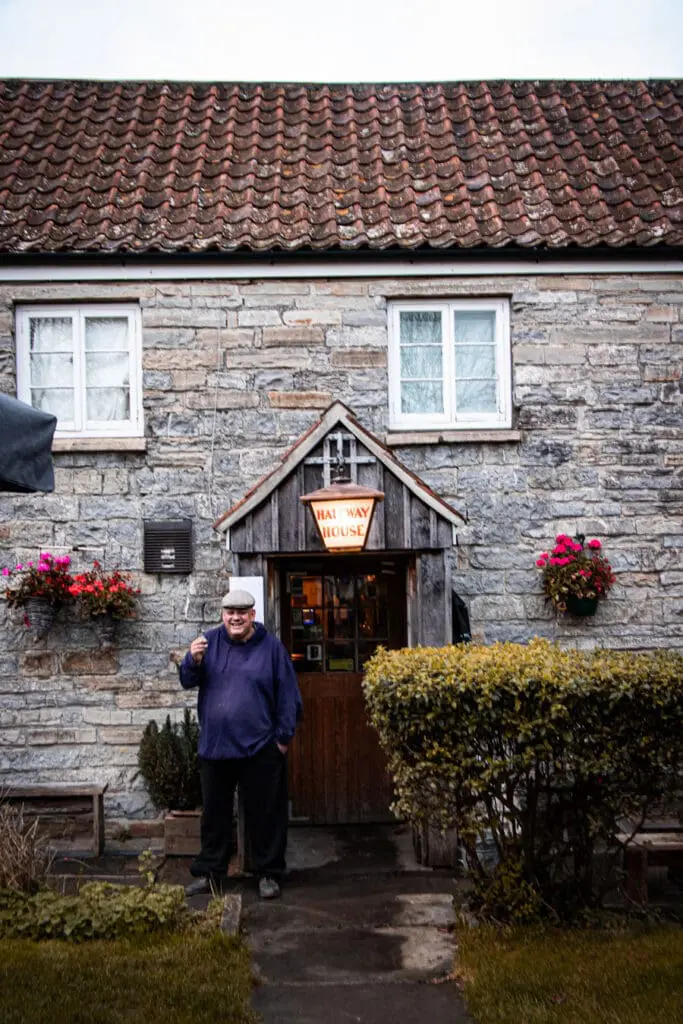
The trick with finding the best cider is to do your research, which may take some time, but it’s generally time well spent! There are great pubs that deliberately seek out the best cider offerings local to them and make a point of getting them in and serving them well. Pubs like Eli’s in Huish Episcopi , The Halfway House in Pitney, and Wyndham Arms in Kingsbury Episcopi are great places to start. Cider farms generally have a place to sample, such as a tasting room, and others have even invested in event spaces, such as Bere Cider, Harry’s Cider, and Sheppey’s Cider, which has a fantastic restaurant.

Where Can Visitors Enjoy Cider Alongside Traditional Meals?
Lots of pubs, like The Halfway House in Pitney or Eli’s in Huish Episcopi offer great pairings. Sheppy’s in Bradford-on-Tone was one of the top 35 farm shops in the UK and offers something for everyone! The Newt, recognised as one of the top luxury destinations in the UK, offers a good range of modern food and ciders.
How Does Supporting Local Cider-Makers Benefit the Somerset Community?
Apples aren’t a high-value crop, so the margins for growers are tight. By choosing and buying from a cider producer who uses 100% local apples, you are supporting the local economy and the people who depend on the land and cider business for their livelihood. We all need to buy more locally if we want our countryside and its custodians to continue looking after the orchards and farms that scatter our countryside.
Not many people consider how much farm-produced cider actually has very green credentials too—when apples are grown, pressed, fermented, and sold on the same site, it massively reduces the carbon footprint of the product. It doesn’t need boiling like beer, and buying in your own container after cycling to the farm is about as green as it gets! You deserve a cider after that.
What’s the Best Time of Year to Visit Somerset for Cider-Related Activities?
Cider can suffer from seasonality—most people tend to drink it in the warmer summer months, and it’s a very popular choice at festivals, barbecues, and any other outdoor gatherings. However, there are Apple Days in October and Wassails in January, which are fantastic events. Cider events are always social, sometimes educational, generally celebratory, and occasionally spiritual too!
Written by: Bill Bradshaw